From soju to craft brews, South Korean alcohol's growing popularity in Singapore
South Korean alcohol exports to Singapore reached US$6.1 million in 2024, making it the eighth-largest global market for South Korean spirits by value.
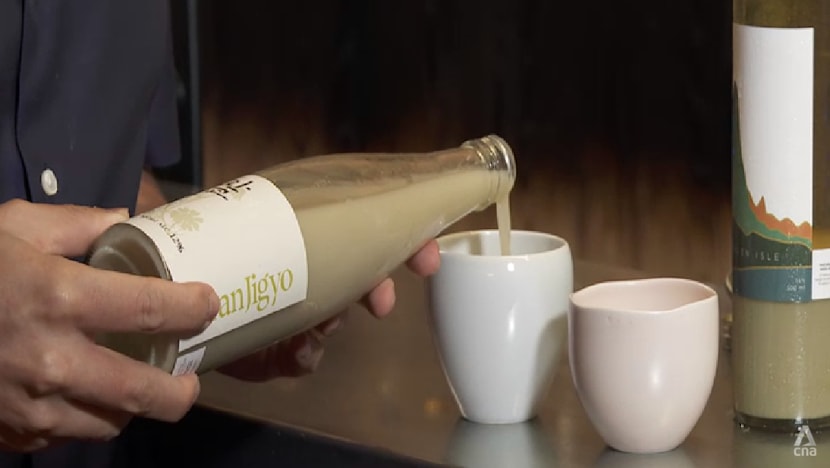
Importers, bartenders and consumers are exploring a wider and more nuanced range of Korean drinks.

This audio is generated by an AI tool.




SINGAPORE: South Korean alcohol in Singapore is moving beyond soju, as a broader drinking culture – shaped by everything from K-dramas to cocktail bars – fuels interest in craft brews, rice wines and new-generation spirits.
For years, the category here was largely defined by two staples: soju and beer.
But that is starting to change, as importers, bartenders and consumers explore a wider and more nuanced range of Korean drinks.
BEYOND SOJU AND BEER
At a bar in lifestyle enclave New Bahru, Singaporean importer Dominic Tan is among those leading that shift – starting with craft makgeolli, a fermented rice drink.





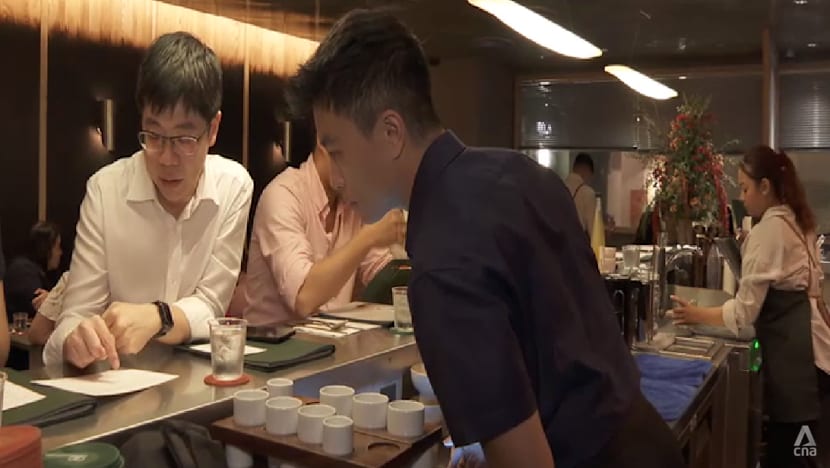
“I was always interested in makgeolli, because all we got in Singapore was commercially-made makgeolli bottles,” said Mr Tan, founder and CEO of craft makgeolli bar and restaurant Odem.
“I went to Seoul and tried craft makgeolli for the first time, it was life changing for me.”
The experience reshaped both his palate and his perspective. Back home, he realised how limited the local market was.
Three to four years ago, most makgeolli available in Singapore was limited to supermarket versions, often in banana or strawberry flavours, said Mr Tan, with few options for craft varieties – which he describes as small-batch, hand-brewed.
Traditionally seen in South Korea as a simple, everyday drink, makgeolli is being presented differently here – curated, premium and part of a wider evolution in how Korean alcohol is consumed.
For some of the bar’s customers, it is still a first encounter.
“It’s quite flavourful,” said one patron. “It’s quite a unique taste and it doesn't feel like I’m drinking alcohol.”
POP CULTURE DRIVES DEMAND
The rising curiosity is not accidental, said observers.
“South Korean dramas show a lot of drinking culture, not just as a transaction but as a social ritual,” said Dr Dayoung Kim, a senior lecturer in marketing at the National University of Singapore (NUS).
“So, specific brands and people drinking, it gets all exposed through those dramas and Singaporeans, Southeast Asians love watching those dramas. It gives legitimate access to that Korean drinking culture.”
The shift is also reflected in trade data. After dropping to a pandemic low of US$270 million in 2020, South Korea's liquor exports rebounded to about US$326 million in 2023.
Singapore is playing a role in that recovery. South Korean alcohol exports to the country hit US$6.1 million in 2024, making it the eighth-largest global destination for South Korean spirits by value.
“Singapore is well known as a great testbed,” said Ms Bona Kim, managing partner at The Sool Company, which aims to promote South Korean traditional alcohol on the global stage.
“Once you get good recognition in Singapore, it’s easier to move to countries close to it like Malaysia, Indonesia or Vietnam – or even to Europe.”
NUS’ Dr Kim believes part of Singapore’s appeal lies in its openness.
“Their pallets are multicultural. Foundationally, Singaporean consumers grow up navigating Chinese, Malay, Indian, Western food and drinks all simultaneously,” she said.
“It’s also a travel hub, so a lot of people come and go. That builds a lower barrier to try new things.”
CRAFTING A NEW EXPERIENCE
The growth is not just happening through imports, but also behind the bar.
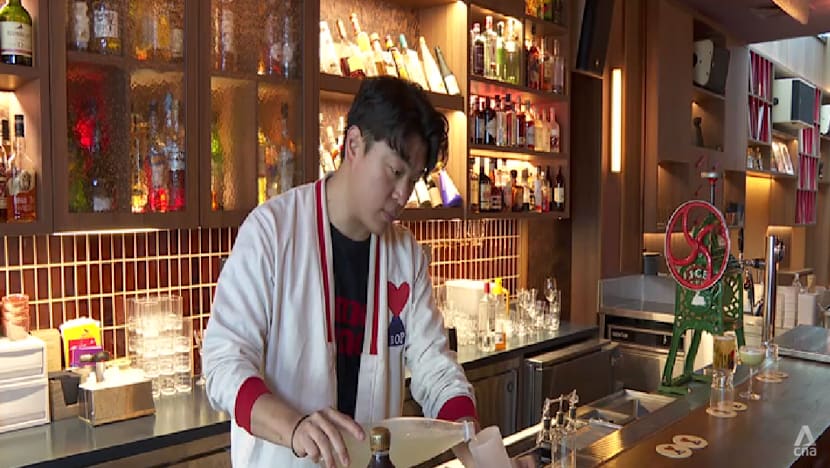
Uno Jang, a South Korean-born bartender based in Singapore, is using cocktails, pairings and ritual to introduce a broader Korean drinking culture – one that goes beyond soju bombs.
“I don’t believe that by just using Korean ingredients, it becomes a Korean bar,” said the co-owner and creative director at the Jigger & Pony Group. “The ingredients have to be very intentional.”
For him, that also means recreating the rituals of drinking in South Korea – how alcohol is paired with food and shared socially.
“My experience as a South Korean drinking and eating with pairing, I want to express that moment and memory with our customers,” he said.